

The Trust Effect: How Intentional Leaders Build Teams That Perform and Thrive


By Ilhiana Rojas Saldana December 5, 2025

In today’s workplace — one defined by rapid change, hybrid dynamics, and rising expectations — trust isn’t a bonus; it’s the engine that allows teams to collaborate, communicate, and perform at their highest level. Research consistently reinforces this: Google’s Project Aristotle identified psychological safety — a direct product of trust — as the most important factor of high-performing teams. Gallup found that employees who strongly trust their leaders are four times more likely to be engaged and committed to their work. And Harvard Business Review reported that high-trust organizations experience significantly less burnout, stronger innovation, and far higher productivity than those where trust is inconsistent or unclear.


Despite these findings, trust is often one of the least understood leadership competencies. Many leaders believe trust is built simply by being honest, reliable, or visible. While those actions matter, trust is far more nuanced — and deeply influenced by how differently people think, communicate, and experience psychological safety.


Intentional leaders understand this. They know trust isn’t created by chance — it is created by behavior, awareness, and presence.

Why Trust Break Down

Trust rarely breaks because people are uncommitted or unwilling. It breaks because:

  • expectations are unclear or interpreted differently
  • people have different comfort levels with vulnerability or risk
  • communication styles clash under pressure
  • past experiences shape how safe people feel today
  • leaders aren’t always aware of how their tone, energy, or pacing are received
  • team members need different things to feel secure, supported, and confident


This last point is key.


People don’t experience trust the same way. Some people feel trust when a leader is consistent and steady. Others feel trust when they have open dialogue and emotional connection. Some build trust through structure and clarity. Others build trust through autonomy and empowerment.


These patterns often align to different communication and behavioral preferences, which tools like D.i.S.C. help illuminate.*


But at the core, they are human differences — differences intentional leaders honor. When leaders overlook these differences, trust becomes fragile. When leaders understand and respect them, trust becomes a powerful, stabilizing force.

Trust as a Leadership Practice

Trust rarely breaks because people are uncommitted or unwilling. It breaks because:

  • expectations are unclear or interpreted differently
  • people have different comfort levels with vulnerability or risk
  • communication styles clash under pressure
  • past experiences shape how safe people feel today
  • leaders aren’t always aware of how their tone, energy, or pacing are received
  • team members need different things to feel secure, supported, and confident


This last point is key.


People don’t experience trust the same way. Some people feel trust when a leader is consistent and steady. Others feel trust when they have open dialogue and emotional connection. Some build trust through structure and clarity. Others build trust through autonomy and empowerment.


These patterns often align to different communication and behavioral preferences, which tools like D.i.S.C. help illuminate.*


But at the core, they are human differences — differences intentional leaders honor. When leaders overlook these differences, trust becomes fragile. When leaders understand and respect them, trust becomes a powerful, stabilizing force.

Practical Strategies to Strengthen Trust With Individuals and Teams

Here are five practical, human-centered ways leaders can build trust across different communication styles and behavioral preferences.


1. Create Predictability Through Clear Expectations

Predictability reduces anxiety for fast-paced and detail-oriented thinkers alike. Set expectations around communication, timelines, decision-making, and follow-through. Predictability builds psychological safety, the foundation of trust.


2. Honor Different Working and Communication Styles

Trust grows when people feel seen and respected. Some team members need space; others need dialogue. Some want clear direction; others want flexibility. Honoring these differences is one of the fastest ways to deepen trust.


3. Lead With Curiosity, Not Assumption

Curiosity builds trust because it communicates: Your experience matters.
Try:

  • What support would be most helpful for you right now?”
  • “What do you need to feel confident moving forward?”
  • “How do you prefer to receive feedback or updates?”

These questions invite psychological safety across styles.


4. Follow Through. Especially on the Small Things

For many people, consistency is trust. When leaders follow through on commitments, especially small ones, it signals reliability. Different styles interpret follow-through as respect, professionalism, or care.


5. Repair Trust Quickly When It Breaks

Trust breaks even in healthy teams. What matters is how leaders repair it:

  • Acknowledge the impact
  • Clarify intention
  • Reset expectations
  • Recommit with presence

Repairing trust builds stronger trust.

Building Trust Through Awareness and Intention

At its heart, trust grows when people feel understood — not just in what they do, but in how they operate, how they think, and what they need to feel safe. Tools like D.i.S.C. can help leaders recognize these natural differences, but the real power comes from how leaders use this awareness to shape interactions that reinforce reliability, connection, and psychological safety.


When leaders create trust through intention and presence, teams communicate more openly, collaborate more naturally, and perform with greater confidence.
Not because the leader is doing more, but because the leader is leading in a way that honors the humans in front of them.

A Question For Every Intentional Leader

Where could greater clarity, presence, or consistency create stronger trust in the relationships that matter most to your leadership?


Your awareness is the first step.


If your team is navigating change, misalignment, or communication challenges — or if you want to strengthen trust across your organization — I’d be honored to support you.


Teams grow when trust grows. And trust grows when leaders lead with intention.


Let’s explore how we can build a culture of trust, connection, and performance together.


Learn more or connect with me here


* About D.i.S.C.
The D.i.S.C. model is a research-based behavioral framework that helps individuals understand how they naturally communicate, make decisions, and respond to their environment. It highlights four broad tendencies—Dominance, Influence, Steadiness, and Conscientiousness—which reflect different communication needs, pacing, priorities, and ways of processing information. Rather than labeling or categorizing people, D.i.S.C. serves as an awareness tool that supports leaders in recognizing their own patterns, understanding the diverse ways others communicate, and reducing misinterpretation or tension in everyday interactions. By using DISC to appreciate these differences, leaders can create more meaningful conversations, improve collaboration, and ensure their message is received with clarity, trust, and psychological safety.
Learn more about D.i.S.C. here.

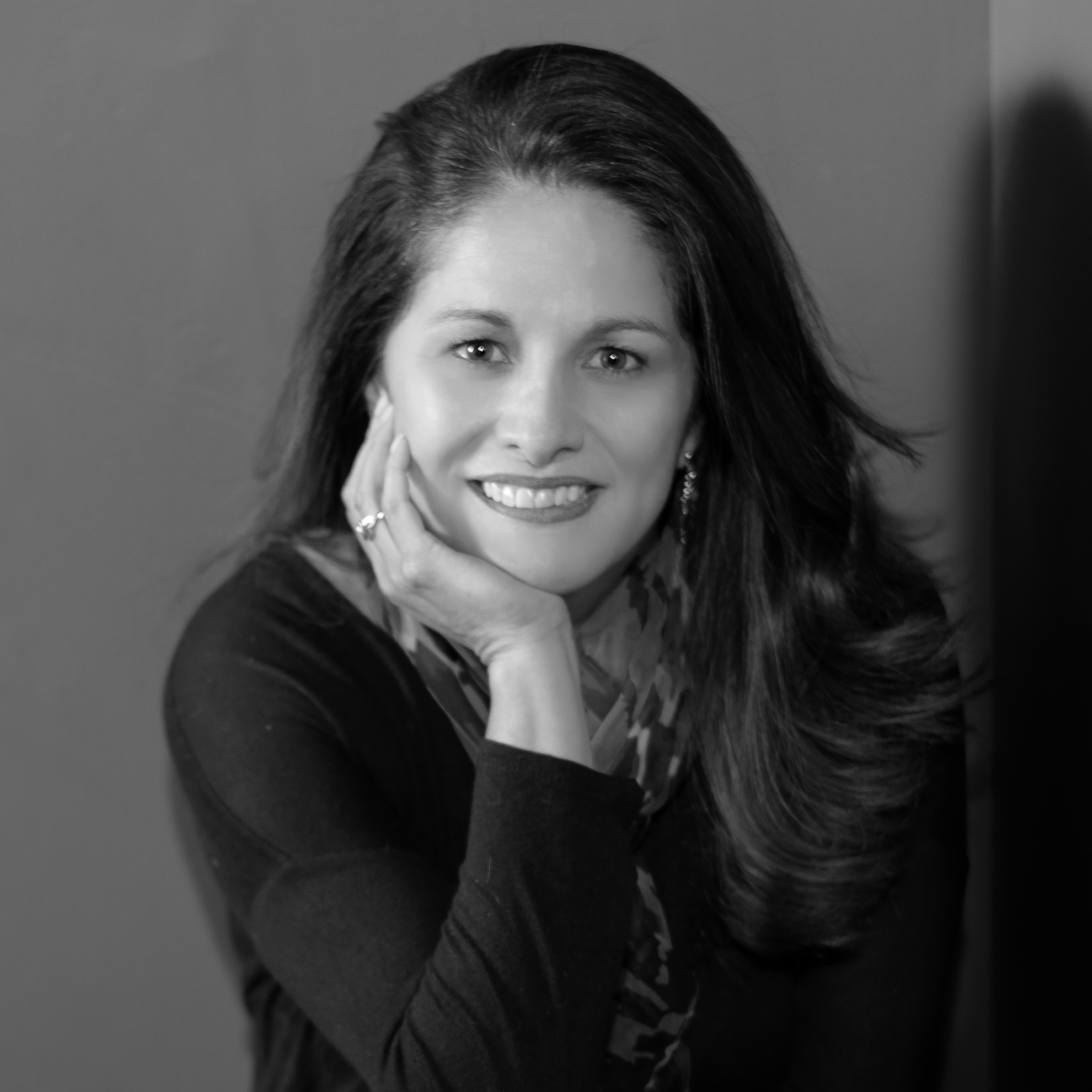
Ilhiana Rojas is a Human Potential Expert, Executive & Leadership Coach, and founder of BeLIVE Coaching & Consulting.


A former Fortune 500 executive with more than 20 years of global leadership experience, she empowers professionals and teams to lead with intention, strengthen their presence, and unlock their full potential.  Through her signature frameworks, coaching programs, and workshops, Ilhiana helps leaders elevate communication, deepen trust, and navigate their careers with clarity and purpose.


Insights to fuel you to to your next bold move

Sign up to get leadership insights, trends, and more in your inbox.

Contact Us


SHARE THIS

The Break | Through Leadership Blog™

Break what no longer serves. Move through with intention. Lead with purpose.

Latest Posts

By Ilhiana Rojas Saldana December 2, 2025
Why Communication Breaks Down