

When Pressure Tests Emotional Intelligence
By Ilhiana Rojas Saldana • March 10, 2026

In many workplaces today, there is a quiet shift in how people experience their workdays and in the level of pressure they carry.
Teams are navigating rapid change, evolving expectations, tighter timelines, and a steady stream of decisions that often require both speed and precision. At the same time, many of us are managing our personal responsibilities and the emotional weight that naturally accompanies demanding periods in our work and lives.
These pressures do not remain outside the workplace. They travel with us into meetings, conversations, and everyday interactions with colleagues.
Over time, they begin to shape the emotional tone of our work environments.
Conversations that once flowed easily may now feel more tense. Misunderstandings sometimes escalate faster than expected. Patience can wear thinner, even among teams that have historically collaborated well together.
These dynamics rarely stem from a lack of professionalism or commitment. More often, they reflect something deeper and much more human: environments where pressure is quietly testing emotional intelligence in real time.
When Pressure Enters the System
Workplace research continues to highlight the growing emotional load many professionals are carrying. According to the State of the Global Workplace Report, nearly half of employees globally report experiencing significant stress during the workday, with even higher numbers reported in the United States. Studies from the American Psychological Association echo similar findings, showing that workplace stress increasingly affects how people communicate and interact with colleagues, contributing to emotional exhaustion, tension, and conflict in professional environments.
These realities shape the emotional climate inside many organizations.
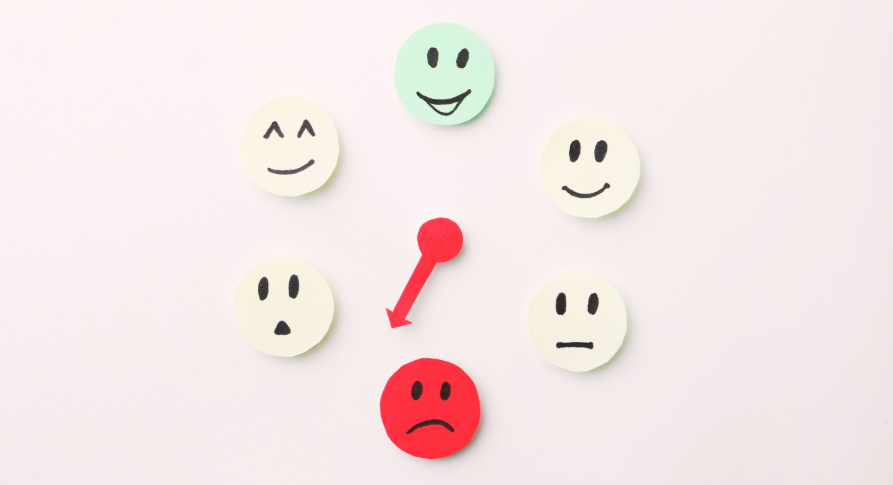
When pressure enters a system, reactions tend to accelerate. Small moments carry more weight. A comment that might normally feel neutral may be interpreted more sharply. A disagreement can quickly shift from productive debate to defensiveness.
None of this reflects a lack of capability or commitment. It reflects the very human reality of working in demanding environments.
And although these reactions are rarely intentional, they often feel personal in the moment. What may begin as a simple exchange can quickly take on more emotional meaning than anyone intended.
This is often where emotional intelligence begins to shape what happens next.
Where Emotional Intelligence Is Tested
Emotional intelligence has become an important part of leadership conversations in recent years. We recognize the importance of communicating thoughtfully, collaborating effectively, and contributing positively to the environments we are part of.
Yet emotional intelligence is rarely tested when everything is running smoothly.
It is most often tested in moments of tension, friction, or discomfort.
When a colleague challenges an idea in a meeting.
When feedback lands more abruptly than expected.
When an email feels unusually direct.
When a project falls behind schedule.
When competing priorities collide.
In these moments, reactions often occur quickly. Under pressure, the brain naturally shifts toward efficiency and protection. Tone can change subtly. Assumptions form more easily. Words may come out more directly than intended.
Most of the time, these shifts happen without conscious awareness. Yet they often shape how others experience the interaction.
What often makes the difference is what happens in the brief space between an initial reaction and a more intentional response.
The Role of Awareness
Emotional intelligence often begins with awareness.
Awareness of what we are feeling in the moment.
Awareness of how pressure might be influencing our reactions.
Awareness of the signals others may be sending through tone, energy, or body language.
Psychologist Daniel Goleman, whose work helped bring emotional intelligence into leadership conversations, emphasizes that self-awareness sits at the center of emotional intelligence. When we begin to recognize our emotional responses as they unfold, we gain greater flexibility in how we respond.
In practice, this awareness often appears in small ways.
A moment of pause before responding.
A question asked with curiosity rather than assumption.
A recognition that tension in a conversation may be connected to pressure rather than personal intent.
These subtle shifts can change the direction of an interaction.
What Pressure Can Make Harder to See
When teams are working under pressure, certain dynamics can become easier to miss.
We may notice our patience wearing thinner than usual. We may find ourselves interpreting comments more personally or drawing quicker conclusions about someone’s intent. At times, we may assume disengagement when a colleague is simply navigating an overloaded schedule.
Pressure has a way of narrowing perspective. When we are moving quickly, it becomes easier to react than to step back and consider what else might be influencing a moment.
Greater awareness can help widen that perspective again.
It allows us to pause long enough to ask a different question, interpret a situation more carefully, or simply recognize that what we are experiencing in the moment may not tell the whole story
A Moment for Reflection
Given the pace and demands many teams are experiencing today, it can be helpful to pause and reflect on a few questions:
Where do I notice pressure showing up most strongly in my work right now?
When tension arises in a conversation, what signals help me recognize it early?
How does pressure tend to influence the way I communicate with others?
What helps me create a moment of awareness before responding?
These reflections are not about evaluating ourselves critically. They are simply invitations to notice patterns that may otherwise go unexamined.
And awareness often becomes the starting point for more intentional leadership.
The Leadership Opportunity Within Pressure
Pressure is not likely to disappear anytime soon. The pace of change, the complexity of decisions, and the demands placed on teams will continue to be part of modern work environments.
What can change is how we move through those moments.
When we begin to recognize how pressure influences our reactions—and how it may also be influencing others—we gain the opportunity to respond with greater steadiness, perspective, and intention.
Sometimes that means pausing before responding. Sometimes it means asking a question instead of making an assumption. Sometimes it means remembering that another person’s reaction may have less to do with us than it first appears.
Over time, these small moments shape the emotional climate of teams and organizations.
And in environments where pressure is high, those moments matter even more.
Because emotional intelligence is rarely defined in easy moments.
It is strengthened in the moments that ask the most of us.
If emotional intelligence is an area you would like to explore more deeply—whether for yourself or for your team—we regularly work with organizations and leaders on strengthening the awareness and skills that support more constructive conversations and healthier workplace dynamics.
Let’s explore how strengthening emotional intelligence can support healthier conversations, stronger collaboration, and more resilient teams.
Topics: Emotional Intelligence, Communication, Teams
Ilhiana Rojas is a Human Potential Expert, Executive & Leadership Coach, and founder of BeLIVE Coaching & Consulting.
A former Fortune 500 executive with more than 20 years of global leadership experience, she empowers professionals and teams to lead with intention, strengthen their presence, and unlock their full potential. Through her signature frameworks, coaching programs, and workshops, Ilhiana helps leaders elevate communication, deepen trust, and navigate their careers with clarity and purpose.
Insights to fuel you to to your next bold move
Sign up to get leadership insights, trends, and more in your inbox.